Table Of Content
That's why, salon-grade protein treatments, which contain much more potent chemicals, are only accessible to licensed professionals, and not recommended for at-home use. "Many harsh chemicals that are used in structural changes for the hair will actually negatively impact the scalp and in some cases cause a chemically induced minor shed," Gaunitz says. "That said, you should beware of overusing protein treatments. This is not a conditioning treatment." Since hair is also a sign of your overall health, you may consider talking to your doctor about your diet.
Learn More About the Innovative Hair Restoration Treatments Available to You
Protein treatments, when used in moderation, may provide the strength your hair needs to minimize dryness and damage. Some of its key ingredients include illipe butter, shea butter, a blend of oils, and hydrolyzed keratin. Hormones change more things in your body than you can ever imagine . It’s not uncommon to see women experiencing hair problems during pregnancy or during menopause. Even women who normally have healthy thick hair can find their hair change into dry, thin, and brittle strands. In this article, we’ve listed some of the most common factors that contribute to healthy hair.

I want to get healthier
A good way to test if your hair is need in of protein is by doing the 'stretch test.' Hair lacking in protein looses elasticity – meaning it isn't able to stretch and bounce back to its original length. Many people think that having hair that’s dry indicates that your locks need more protein. However, dryness alone isn’t a good enough reason to treat your hair with protein. If your hair is dry, try an emollient-based conditioner first to try and bring back the moisture. Protein treatments are used to coat your hair strands with keratin, adding strength to the bonds between your hair molecules. This protein can actually build up on the cuticle of your hair, making your hair heavier.
How often should I use a protein treatment?
Deficiency in any of these nutrients may contribute to hair loss (1). Fatty fish is also a great source of protein, selenium, vitamin D3, and B vitamins, which may help promote strong and healthy hair (11). Spinach is also a great plant-based source of iron, which is essential for hair growth. Iron helps red blood cells carry oxygen throughout the body to fuel your metabolism and aid growth and repair (8).
Redken Extreme Length Triple Action Treatment Mask

Leave the mask on for 10 minutes, then rinse the hair with warm water. Gelatin contains collagen protein, which temporarily fills in gaps in the hair cuticles, strengthening and smoothing the strands. Protein acts as a protective barrier around the hair cuticle, shielding it from damage caused by environmental factors, heat, and styling. This barrier helps prevent moisture loss and minimizes the impact of external stressors on the structure of the hair. When proteins are broken down or digested, amino acids are what’s left behind. “Amino acids are the building blocks of proteins,” says board-certified dermatologist Tracy Evans.
Hair that feels brittle or sheds more than is normal for you can also be signs that your tresses have been exposed to too much keratin. It’s certainly possible that hair with too much protein in it can be more prone to damage. However, there aren’t many studies into the ways that too much protein can damage hair. This side effect of so-called “protein overload” is mostly anecdotal as of now. If you want to add protein to your hair on a daily basis, you can also use a protein-rich hair supplement. These supplements are designed to be taken orally and help to add protein to your hair from the inside out.
Olaplex No.8 Bond Intense Moisture Mask
12 Best Hair Bonding Treatments of 2024 - Good Housekeeping
12 Best Hair Bonding Treatments of 2024.
Posted: Mon, 26 Feb 2024 08:00:00 GMT [source]
Getting a protein treatment for hair in salon is a great starting point for someone who’s entirely new to the protein game and may have doubts about needing one. Cleaning your hair and giving it a break from styling and hair treatments is the first step to repairing hair that has too much protein in it. In some cases, a trim from a stylist and a little bit of patience may be required. It is made up of long chains of amino acids, and the different proteins in keratin give hair, nails, and skin their distinctive characteristics.
Collagen also helps make up proteins (such as keratin) that form hair, nails, and skin. Rather, eating a balanced, nutritious diet that provides the necessary macro and micronutrients can help hair growth. This includes protein sources like fatty fish and red meat and plant foods high in vitamins and other nutrients like spinach, seeds, and nuts. They also provide a variety of B vitamins, zinc, and essential fatty acids.
Adjusting the ingredients based on your hair type and specific needs can further personalize the effectiveness of the mask. Protein contributes to the elasticity of the hair, allowing some stretchiness. This is essential for maintaining flexibility and preventing breakage during everyday activities like brushing and styling.
These proteins don't contain salts or synthetics, so they're nourishing and replenishing without the side effects of overuse. As we are a cruelty-free hair care line, we choose plant-based hair protein over animal protein. Like hydrolyzed rice and quinoa, these proteins are nourishing, replenishing, and lightweight. The animal proteins in hair care products you may have used in the past are heavy and fatty and often weigh hair down.
And when we put our strands through daily wear and tear—whether it be through heat styling, coloring, or exposure to other harsh chemicals—using protein treatments can come in handy. If you're someone with low-level damage, try smoothing this mask on your hair once every two weeks to help keep it strong and healthy. It uses silk amino acids and a lil bit of wheat protein to help fill in the gaps in your hair strands, all while coating it with avocado, safflower, and olive oils to keep it feeling smooth and shiny. Well, they help fill in the holes, gaps, and cracks along your damaged hair cuticle, which leaves your hair smoother and more resilient to breakage over time.
If your hair doesn't have enough protein, it can appear dry, brittle, and strawlike. A lack of protein also affects the strands' elasticity, so Newman recommends what he calls the "stretch test." I've come to accept that no miracle cure will zipper-up my split ends or un-fry the scorching, but that doesn't mean all hope is lost.
"Salon grade protein treatments contain a range of potent and often harsh chemicals, including formaldehyde. Combined with heat, it may actually have a reverse effect and further dry hair," Shamban cautions. However, despite there having been a history of high-intensity chemically fortified keratin treatments in salons, alternatives may now be available, she adds. However, applying too frequently, especially when not at the hands of a professional can have adverse effects.
It helps build maximum strength from within by creating powerful hydrogen and ionic bonds inside the keratin hair structure in order to increase elasticity and flexibility. 'I would actually recommend adding more protein from within as there are foods you can eat to provide your hair with the necessary protein,' advises celebrity hairstylist Andrew Fitzsimons. 'Eggs, berries, shrimp, fatty fish, tofu, and nuts are great sources of proteins.
Weigh your distilled water, glycerin, and keratin protein and place them in a small saucepan or double boiler. Then, weigh the argan oil and emulsifying wax and place them in a second saucepan or double boiler. We're happy to see you're reading labels and asking us many questions. Here are 7 of the most common questions we receive on protein and the hair.
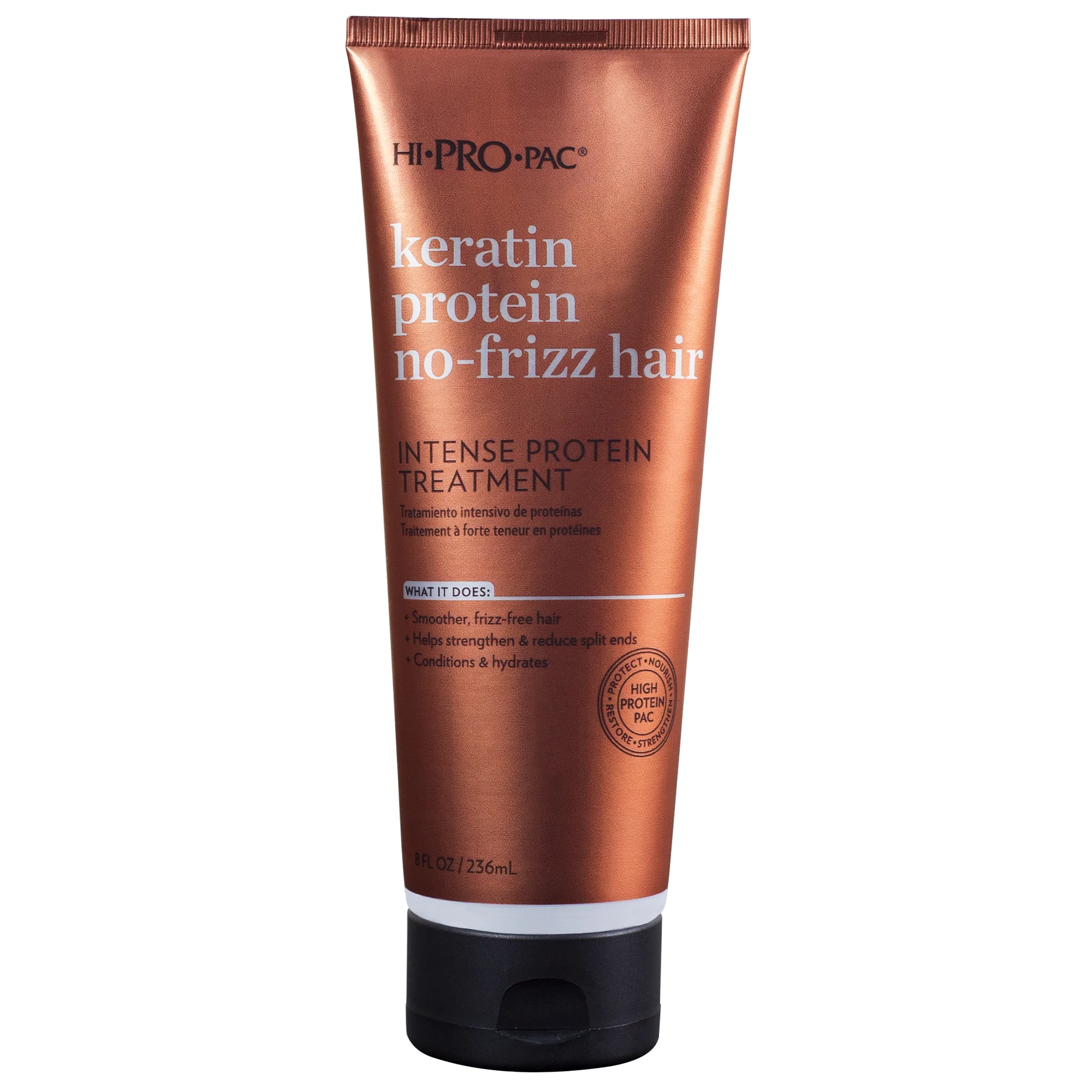
There’s an abundance of protein treatments for hair out there, from protein oil for hair to deeply conditioning protein masks. So that you don’t have to spend hours binge-watching videos on YouTube, we have stepped up and done the research do you. Plus, most protein treatments should always be accompanied with a deep conditioning treatment to restore moisture and avoid your hair strands getting stiff and crunchy. In simple terms, protein hair treatment is a hair care regimen that uses protein-rich products to improve the strength, texture, and overall health of your hair. Protein is an important nutrient for hair health, and by using products that contain protein, you can help to restore the protein balance in your hair and improve its overall condition.